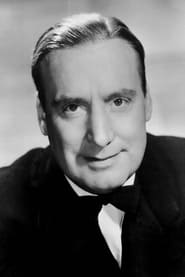
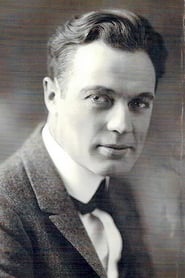
William Faversham
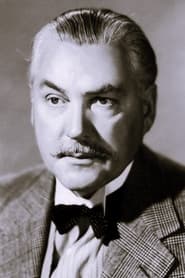
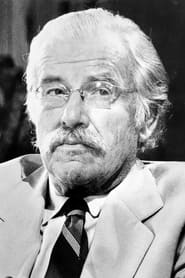
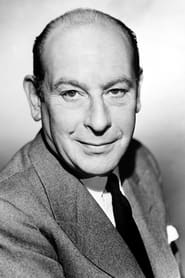
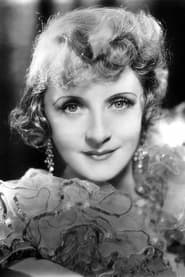
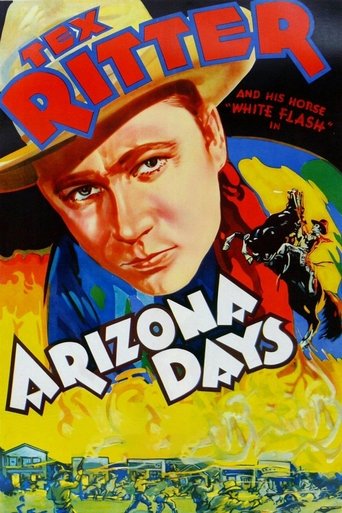
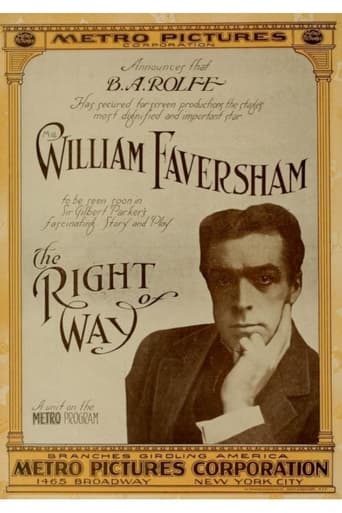
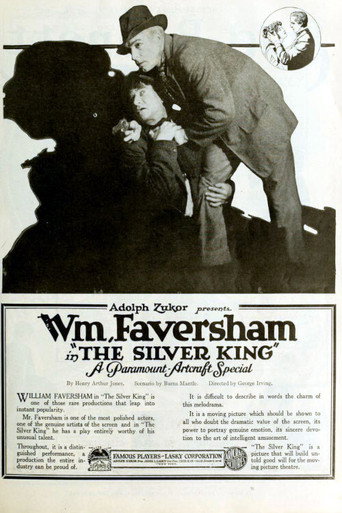
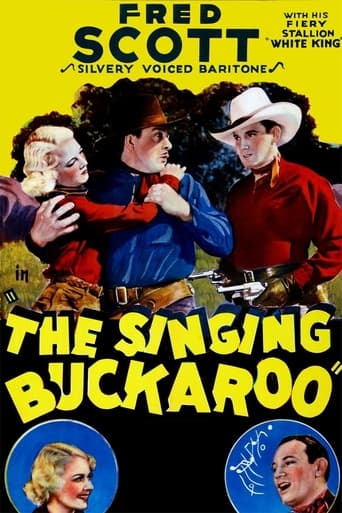
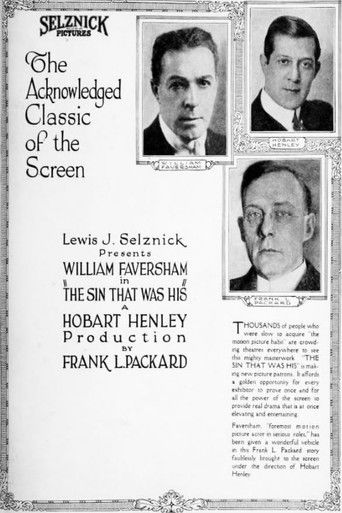
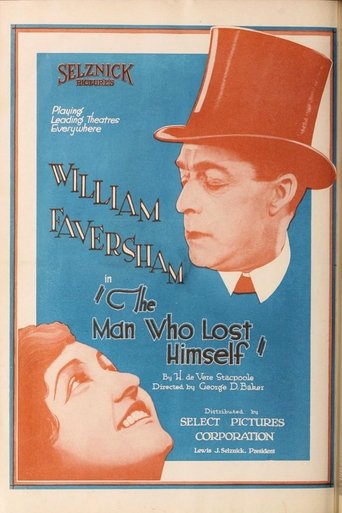
Fom Wikipedia William Faversham (born 12 February 1868 in London – d. 7 April 1940 in Bay Shore, Long Island, New York) William Faversham was an English stage and film actor, manager, producer. Father of William Jr. and Philip. One of the last of the legendary actor-managers, William Faversham became a major name on Broadway in the original production of The Importance of Being Earnest in 1895. Faversham was much admired in such potboilers as Brother Officers (1900), which he revived twice that same year and the next, and he produced, directed, and starred in the original production of The Squaw Man (1906). Productions of both Julius Caesar (1914) and Othello (1917) followed and he became a motion picture star in 1915 courtesy of the burgeoning Metro company. At one point, Faversham's popularity at Metro was second only to that of Francis X. Bushman, the leading matinee idol of the era. Quite elderly by then, Faversham later appeared in bit roles in talkies, including portraying the Duke of Wellington in the Technicolor production of Becky Sharp and, of all things, playing the heroine's father in the low-budget singing cowboy oater The Singing Buckaroo (1937). Faversham's Broadway swan song had come in a 1931 repertory presentation of Julius Caesar, Hamlet, and The Merchant of Venice. He was married to stage actresses Edith Campbell and Julia Opps and was the father of William Faversham (Harvard, Brown-Forman, Cassius Clay/Muhamed Ali) and actor Philip Faversham. He received a star on the Walk of Fame in 1940.
Bekannt für
 Sehmoment
 Sehmoment
 Sehmoment
 Sehmoment
 Sehmoment
 Sehmoment
 Sehmoment
 Sehmoment