The Roundup (1965)
Original title: Το μπλόκο
6 votes
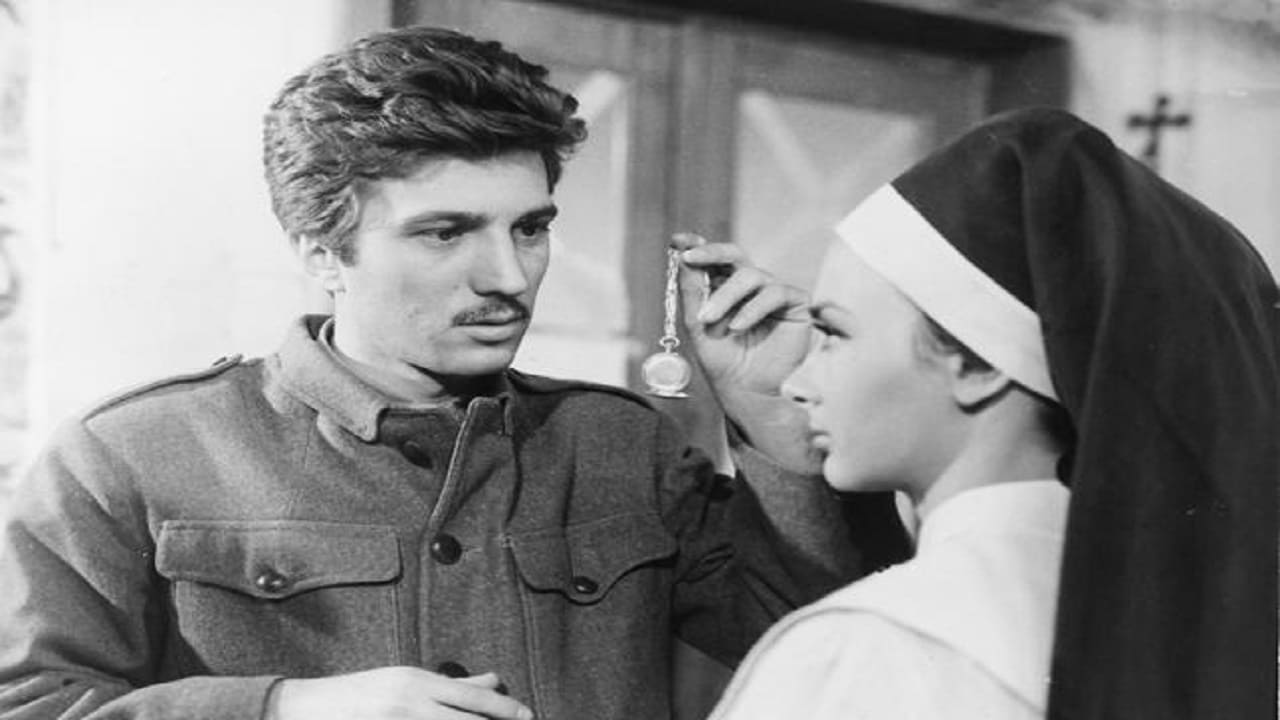
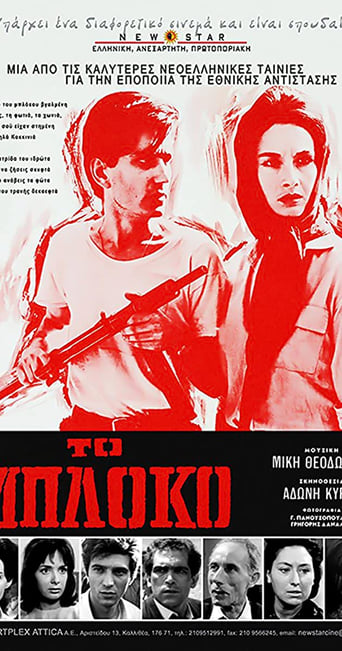
One of filmmaker and expatriate writer Adonis Kyrou's best-known quotes translates roughly as "I urge you: Learn to look at 'bad' films, they are so often sublime." The same could be said of Kyrou's own directorial work in Greece before the advent of the 1967 dictatorship forced him to flee to Paris. This confused mess, the first cinematic attempt at portraying the Greek resistance in WWII, caused quite a stink upon release, as much for its surprising style (recalling that of Bertolt Brecht) as for its subject matter. Reaction to its screening as part of the 1966 Cannes Film Festival's International Critic's Week was heated and divisive, proving Kyrou's later statement by rising above its own inherent silliness to achieve a sort of rarefied critical status. It's bad drama that nonetheless succeeds by dint of audacity more than quality (a comment which could apply equally to the work of many exploitation directors like Jean Rollin whom Kyrou later so lovingly profiled).
Read the The Roundup feature →Media
Top billed cast
Full cast & crew →
 Kostas KazakosKosmas
 Xenia KalogeropoulouAntigoni
 Alexandra LadikouMyrto
 Giannis Fertis
 Manos Katrakis
 Kostas Bakas
 Koula Agagiotou
 Giannis Kondoulis
 Eirini Koumarianou
 Giorgos NezosHristos BekiarisKostas Diplaros
Movie DNA
More like this
More Drama → Viewing moment
 Viewing moment
 Viewing moment
 Viewing moment
 Viewing moment
 Viewing moment
 Viewing moment
 Viewing moment
 Viewing moment
 Viewing moment
 Viewing moment
 Viewing moment
Frequently asked questions about The Roundup
What is The Roundup about?
One of filmmaker and expatriate writer Adonis Kyrou's best-known quotes translates roughly as "I urge you: Learn to look at 'bad' films, they are so often sublime." The same could be said of Kyrou's own directorial work in Greece before the advent of the 1967 dictatorship forced him to flee to Paris. This confused mess, the first cinematic attempt at portraying the Greek resistance in WWII, caused quite a stink upon release, as much for its surprising style (recalling that of Bertolt Brecht) as for its subject matter. Reaction to its screening as part of the 1966 Cannes Film Festival's International Critic's Week was heated and divisive, proving Kyrou's later statement by rising above its own inherent silliness to achieve a sort of rarefied critical status. It's bad drama that nonetheless succeeds by dint of audacity more than quality (a comment which could apply equally to the work of many exploitation directors like Jean Rollin whom Kyrou later so lovingly profiled).